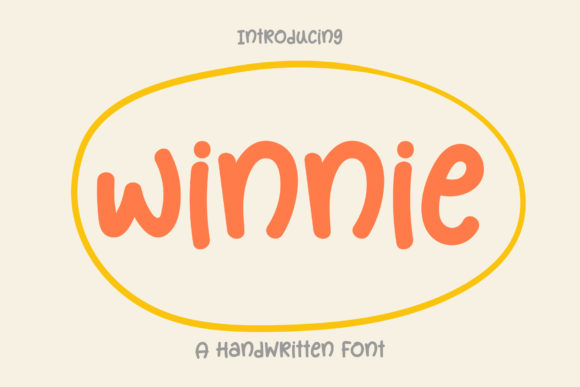
Winnie: A Warm Font for Business Success
As a small business owner, I've always believed that the details matter. From the way my products are presented to how my brand feels to customers, every element plays a role in building trust and recognition. One of the most powerful tools I've discovered is typography—and specifically, the Winnie font.
Winnie is a handwritten script typeface that feels like it was drawn with care. Its casual charm gives it a friendly, approachable vibe, while its consistency and clarity make it perfect for professional use. It’s not just a font; it’s a personality on the page. Whether I’m designing a new label or updating my social media graphics, Winnie has become a go-to choice for adding a touch of warmth and authenticity to my brand visuals.
How Winnie Helps Small Businesses Stand Out
I first tried Winnie when I was redesigning my bakery’s packaging. The previous design felt a bit generic, and I wanted something that would reflect the handmade quality of my products. With Winnie, I could create custom labels that felt personal and unique. The font’s natural flow made it easy to read, even on small tags, and it added a soft, inviting tone that matched the cozy feel of my shop.
Since then, I’ve used Winnie across various aspects of my business. On my website banners, it adds a creative flair without being too flashy. For my thank-you cards, it feels like a genuine message from me to my customers. Even on my Instagram posts, it helps draw attention to key phrases and makes my content feel more cohesive.
Winnie in Action: Real-World Examples
One of the most useful places to use Winnie is in logo design. It works well for logos that want to feel personal and authentic, especially for businesses that focus on handmade, artisanal, or boutique-style products. Whether it's a skincare brand, a candle seller, or a café, Winnie can help create a visual identity that feels both professional and heartfelt.
For product labels, Winnie is ideal for short phrases like “Handmade with Love” or “Natural Ingredients.” It looks great on candle jars, skincare bottles, and even on tags for handmade jewelry. The font’s readability ensures that important information is clear, even when printed in small sizes.
On menus, Winnie adds a charming touch that complements the food experience. It’s perfect for headings, special offers, or highlighting seasonal items. When paired with a clean sans serif font for body text, it creates a balanced and professional look that’s easy on the eyes.
Why Typography Matters for Small Businesses
Typography isn’t just about aesthetics—it’s about communication. The right font can influence how customers perceive a brand. A well-chosen typeface can make a business feel more trustworthy, consistent, and memorable. Winnie does this by combining a warm, human touch with a level of professionalism that fits a variety of industries.
When I first started my business, I didn’t think much about fonts. But as my brand grew, I realized that every detail, including the typography, played a role in how customers saw me. Winnie helped me create a visual language that felt true to my values and resonated with my audience.
Pairing Winnie with Other Fonts
One of the best things about Winnie is how versatile it is. It pairs well with other fonts to create a balanced design. For example, using it alongside a simple sans serif like Helvetica or Arial can give a modern, clean look. Pairing it with an elegant serif font like Georgia or Garamond can add sophistication and class.
If you’re working on a logo or a headline, Winnie is perfect for display text. It’s less suited for long paragraphs, but it shines in short, impactful phrases. For body text, it’s best to pair it with a more readable font to ensure clarity and accessibility.
Things to Consider Before Using Winnie
Before applying Winnie to your designs, it’s important to check what styles and file formats are included. Most premium fonts come in multiple weights and include alternate characters, ligatures, and support for different languages. This makes them more flexible for various design needs.
Also, make sure to review the licensing terms. If you’re using Winnie for commercial purposes—like printing packaging or creating digital downloads—you’ll want to confirm that the license allows for those uses. This is especially important if you’re working with clients or selling products online.
Finally, test Winnie in different contexts. Try it on mobile screens, printed materials, and social media thumbnails to see how it performs. A font that looks great on a desktop might not be as effective on a smaller device, so it’s worth checking for readability in all environments.
Winnie: A Simple Choice with Big Impact
Choosing the right font doesn’t have to be complicated. For small businesses, it’s often about finding a typeface that feels authentic, consistent, and easy to use. Winnie checks all these boxes. It’s a font that brings warmth, character, and clarity to any design, making it a valuable addition to any brand’s toolkit.
Whether you’re updating your packaging, creating a new logo, or simply looking for a more polished look, Winnie is a great place to start. It’s not just a font—it’s a tool for building a stronger, more recognizable brand.